Walk Into the Dawn Chorus
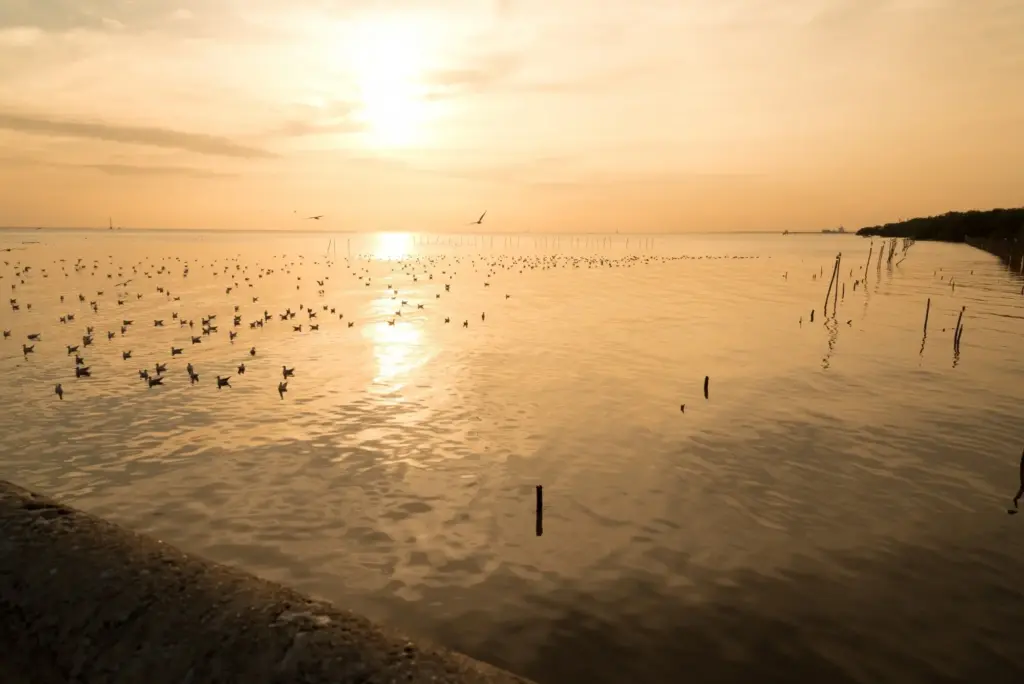
Today we set out on Dawn Birdsong Walks: Identifying Rural Avian Life on Foot, inviting you to greet the first light with attentive steps, open ears, and a field notebook. Together we will learn practical listening, gentle movement, and joyful identification, while sharing stories and inviting your observations.

Before the First Notes

A successful morning begins the night before, with boots by the door, layers laid out, and a plan shaped by maps, moonrise, and wind. Pack light optics, a pencil, and warm drink, silence your phone, choose safe paths, and promise yourself patience. The quieter your preparation, the louder the countryside will sing.

Hearing the Landscape

At sunrise, fields and lanes become an orchestra with sections entering in sequence, from the bold soloists to background percussion. Learn to separate overlapping notes by rhythm, pitch, and placement. You need not name everything instantly; patient patterning builds recognition, confidence, and a gentle, lasting connection to place.

Voices of Fields, Lanes, and Farmsteads
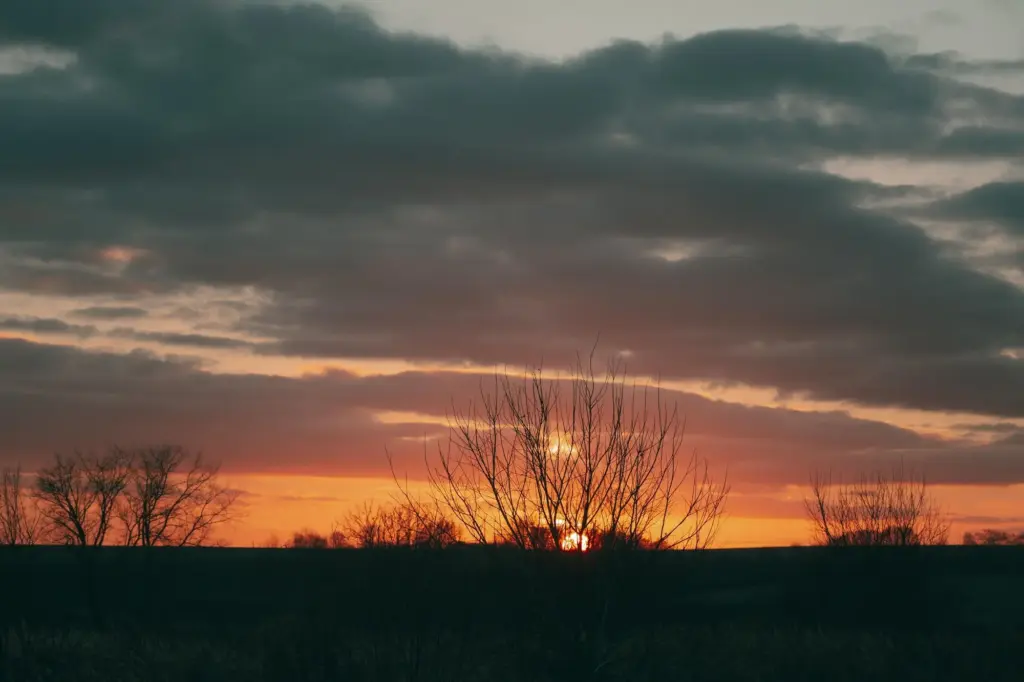
Rural mornings ring with dependable characters whose songs carry distinct moods and habitats. Expect lively trills from hedges, cascading flights above plowed earth, and mellow coos near barns. Wherever you live, local cast members differ, yet roles repeat, offering helpful clues for identification as the light gently improves.

Hedgerow Soloists and Garden Neighbors
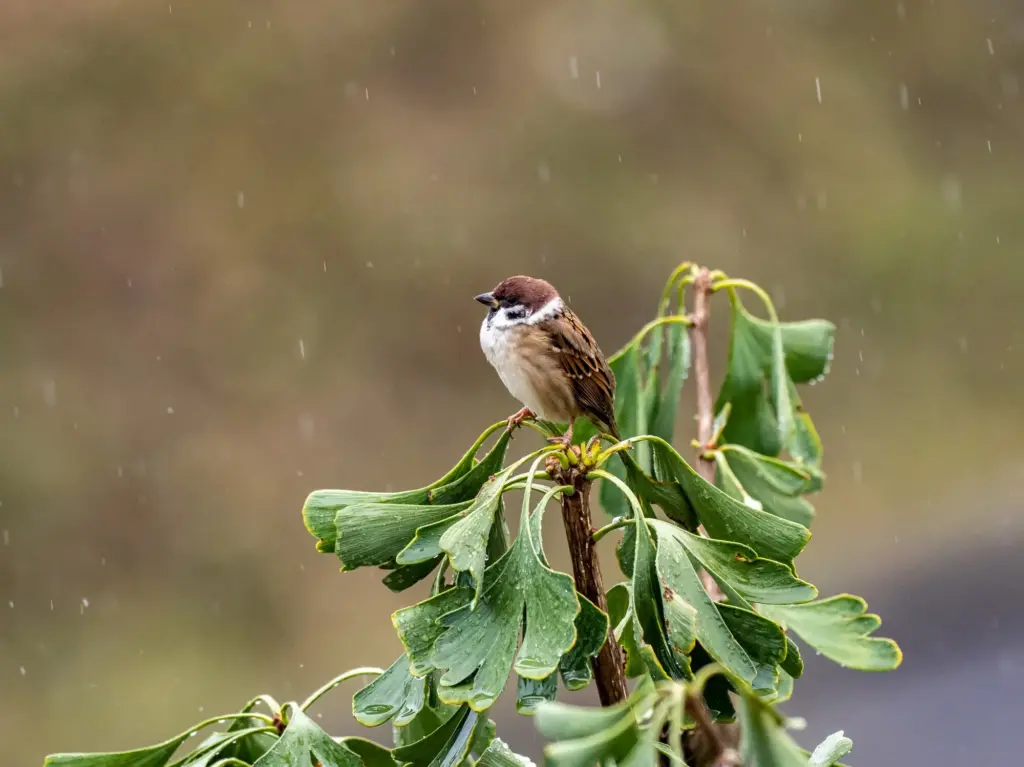
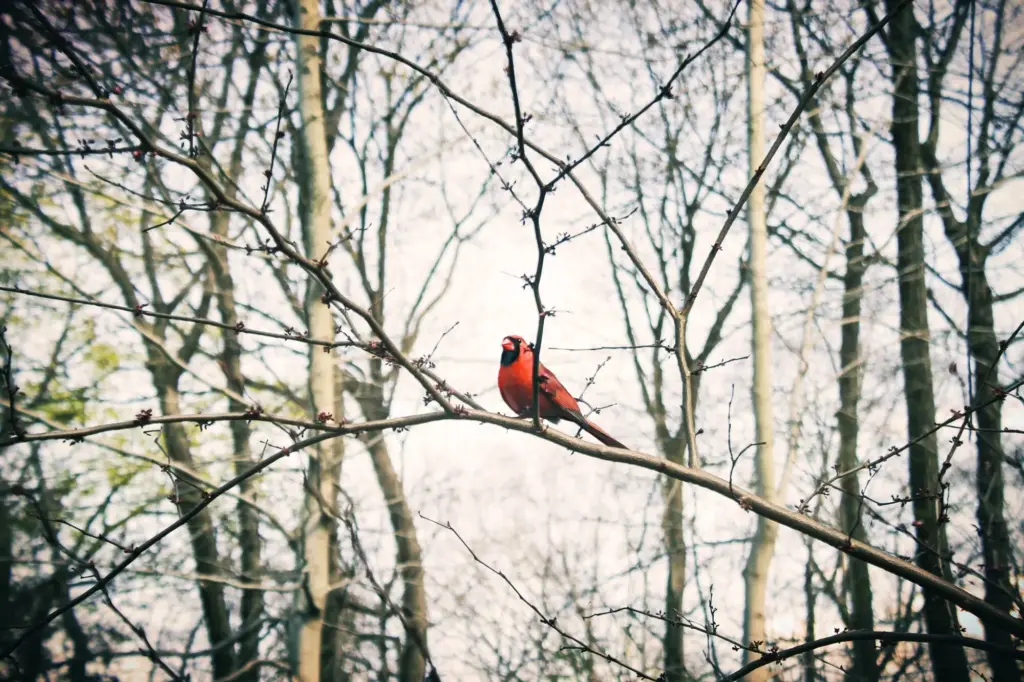
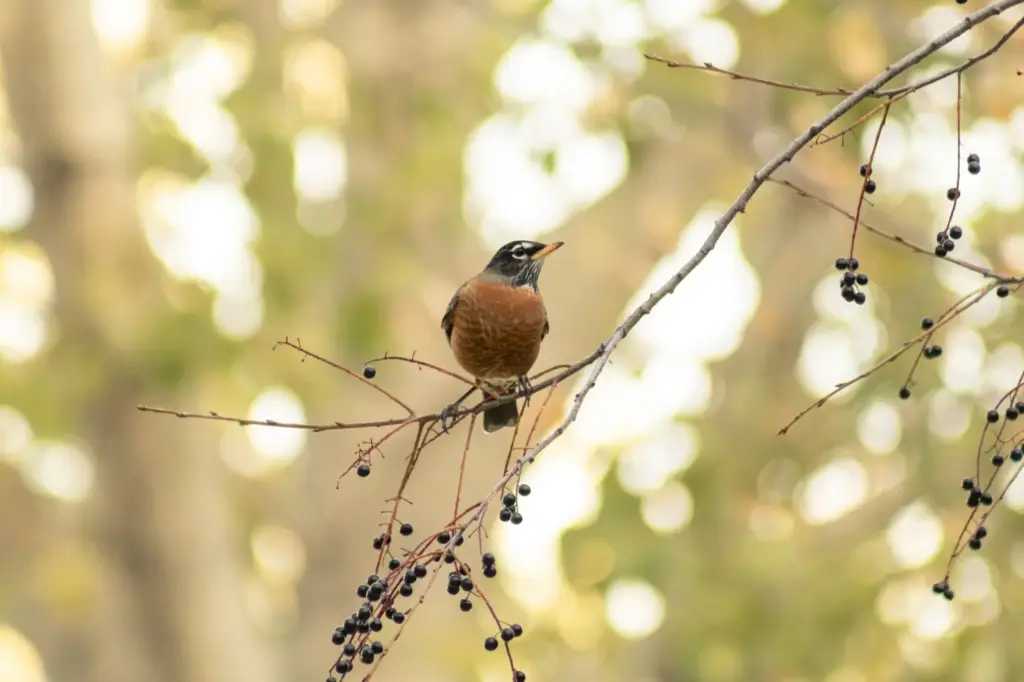
Listen for a rich, fluting cascade from a blackbird or thrush, and a bright, insistent spill from wrens or robins, depending on continent. In North America, northern cardinals add ringing whistles; in Europe, dunnocks weave modest, hurried phrases. Shrubs amplify these voices, creating intimate theaters beside quiet footpaths.

Open Field Performers and Sky Dancers
Over tilled acres, skylarks ascend, pouring silvery torrents that continue high overhead, while meadowlarks deliver liquid phrases from fence posts. Pipits chip as they flutter, and horned larks rattle softly near tracks. Watch for flight styles, perches, and projection; sound direction helps when sunlight still lingers below hedges.

Using Edges, Shade, and Wind

Walk the lee side of hedges so your scent and sounds drift away from perches. Keep the low sun behind one shoulder to reveal movement, not glare. Step into shade when you pause, letting eyes adjust while birds relax, then resume with soft feet and slower breathing.

Reading Tracks, Droppings, and Perches

Note fresh whitewash beneath favored wires, seed husks under thistles, and tiny prints threading muddy ruts. Such clues steer your pauses and focus. When sound stops, study sign; when sign ends, angle toward cover edges. This dialogue with place turns chance encounters into expected meetings and memorable notes.

Keeping Notes That Matter Later

Write what you heard before what you saw: tempo words, pitch sketches, and habitat context. Add weather, wind, and exact time. Back home, compare with guides, then revise your impressions. Over weeks, patterns emerge, turning scattered mornings into a grounded understanding of your local chorus and calendar.
Telling Look-Alikes Apart at First Light

Stories, Invitations, and Next Steps

Every path holds small revelations: an unseen singer choosing a fencepost as your notebook opens, a chorus quieting as a cloud crosses the sun, a child whispering questions you cannot answer yet. Share your sightings below, subscribe for future walks, and bring a friend to tomorrow’s starting gate.

A Skylark Rising Over Frosted Barley

One winter morning, we paused beside a rutted lane and heard a thread of silver unwind into the blue. The bird never showed clearly, yet the unbroken spill, high and tireless, told the story. Writing those falling commas anchored confidence that lasted through many muddier, noisier days.

The Barn Owl You Almost Missed

Only the meadowlark had been singing when a pale shape drifted from the oak, soundless as breath. Field mice scattered, and every hedge whisper stopped. Your note read simply, white lantern over ditch. Those four words still summon the shiver, reminding you to look up between songs.

Naritarixariviroveltomori
Privacy Overview

This website uses cookies so that we can provide you with the best user experience possible. Cookie information is stored in your browser and performs functions such as recognising you when you return to our website and helping our team to understand which sections of the website you find most interesting and useful.