First Light Over Old Stone: A Photographer’s Journey
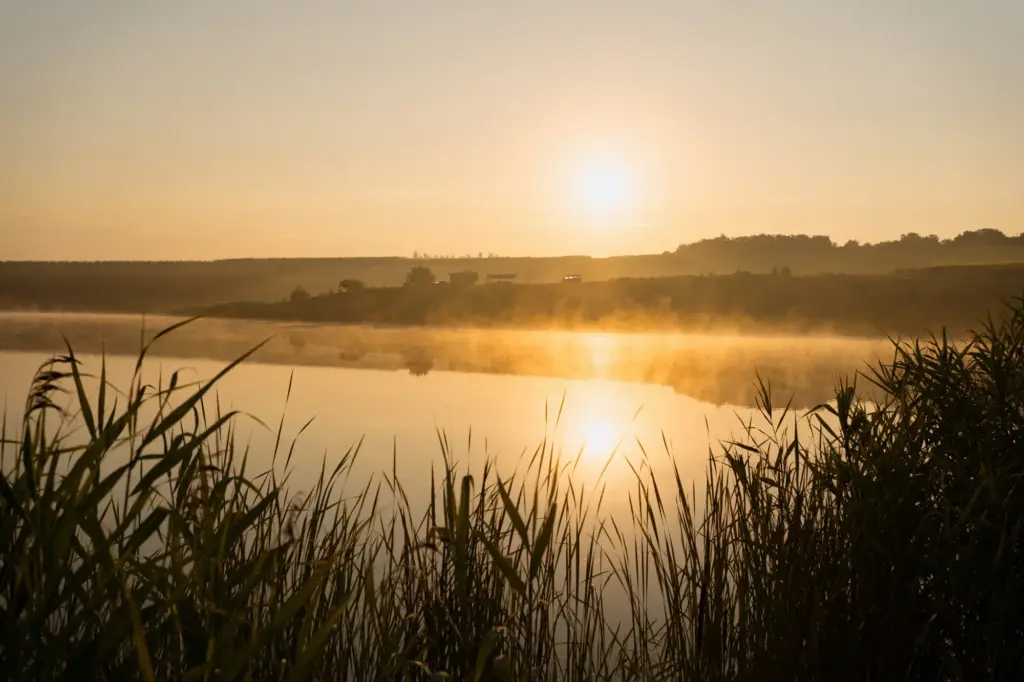
We set out before the birds begin, exploring sunrise photography routes through historic hamlets where cobbles shine, chimneys whisper, and church bells catch the earliest glow. Expect practical guidance, heartfelt stories, and gentle nudges to plan, connect, and share. Leave a comment with your favorite dawn lane, subscribe for fresh route ideas, and join a community that rises happily with the sun.

Charting Dawn Paths Through Cobbled Hamlets
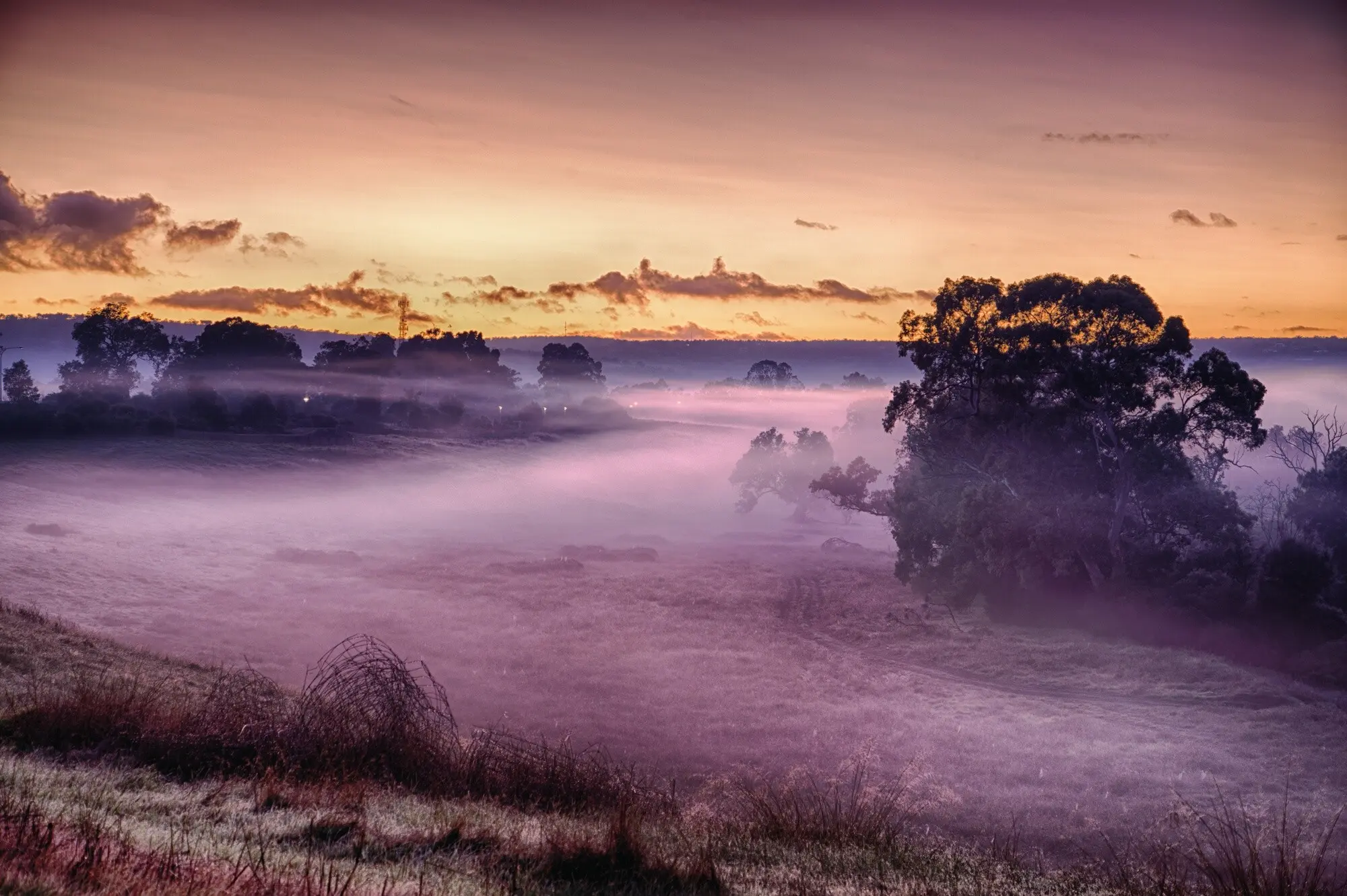
Successful mornings start with maps, light angles, and quiet respect for sleeping neighborhoods. Study where the sun will crest the ridge, how spires intersect that trajectory, and which lanes guide leading lines home. Mix digital tools with local knowledge, confirm public access, and time arrival to allow silence, setup, and stillness. Bring curiosity, but also contingency plans for clouds, cows, and closed gates.

Equipment Choices for Quiet, Low‑Light Mornings

Dawn favors steady hands, thoughtful optics, and silent operation. Pack a rigid tripod, a quiet shutter, and lenses that tell stories from sweeping lanes to layered ridgelines. Keep gloves, a warm layer, and a red‑light headlamp. Spare batteries ride close to body heat. Simplicity wins; bring gear you truly understand, because first light forgives little fumbling and rewards clear intention.

Framing Heritage Details with First Light

When sunlight grazes thatch, slate, and limewash, textures become stories. Seek relationships: a market cross aligned with rising glow, or laundry lines backlit into lace. Avoid postcard predictability by revealing small truths of the hour—footsteps, kettle steam, a cat patrol. Compose with empathy and patience, letting the hamlet’s rhythms script your angles rather than chasing spectacle.

Leading Lines Through Lanes and Dry‑Stone Walls
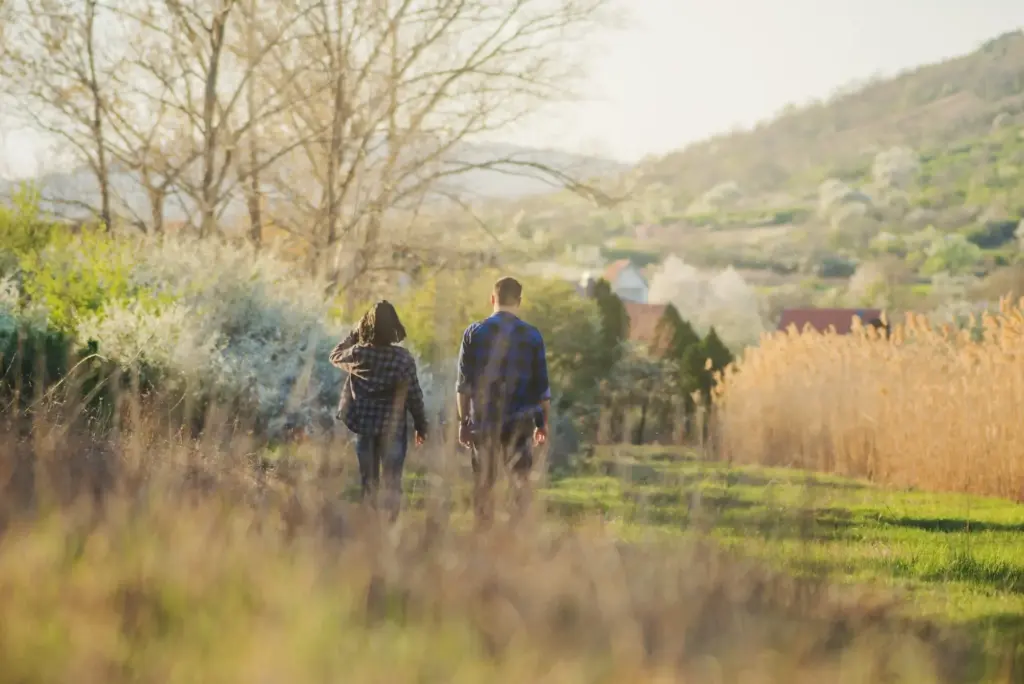
Let S‑curves in cobbled alleys pull eyes toward smoky rooftops, while converging walls cradle the viewer’s gaze. Shift a foot to avoid clipped stones and strengthen diagonals. Crouch low to amplify texture or step onto a public green for balance. Leading lines should guide, not shout; marry them with soft dawn direction for believable, inviting flow.

Silhouettes, Smoke, and Ringing Bells

Meter for highlights as bells begin and firelight breathes through chimney pots. Expose carefully to retain sky nuance while allowing silhouettes of spires and weathervanes to read cleanly. Wait for a single cyclist or baker crossing the square, adding scale and warmth. Let movement be gentle punctuation, not spectacle, honoring villagers whose mornings matter more than photographs.

Weather, Fog, and Seasonal Strategy

Reading Forecasts for Mist That Holds Shape

When temperature and dew point nearly touch, winds fall below three meters per second, and clear overnight skies prevail, valley hamlets invite sculpted fog. Check nearby river stages and nighttime cooling rates. Favor gentle slopes above water lines for layered separation. Arrive early; ground fog thickens fast, then thins suddenly as sun edges rise and warmth stirs.

Winter Frost Versus Summer Haze

Winter gifts crystalline breath on fences, long blue shadows, and smoke that hangs in still air. Batteries tire quicker, so insulate. Summer offers golden pollen haze, quick birds, and early markets unfurling. Sunrise times vary wildly; commit to alarms and naps. Both seasons reward restraint in contrast and color, honoring atmosphere rather than bulldozing it with saturation.

Cloud Windows and Edge‑of‑Front Drama

Transitional mornings near frontal boundaries produce radiant gaps where light spills beneath a lid of cloud. Watch satellite imagery and nowcast tools for breaks approaching at dawn. Choose a viewpoint with foreground flexibility, then be patient. Five minutes can transform a gray square into copper cobbles and singing stone. Pack optimism alongside realism, and stay past first blush.

Kindness, Access, and Community Respect

Permission, Privacy, and Courteous Conversations

If you hope to photograph a cottage gate or a working yard, ask before the sun comes up tomorrow, not afterward. Explain your intent, show prior work, and respect a no. Avoid windows and bedrooms entirely. Blur identifying plates when publishing. Kind introductions often unlock safer viewpoints, but entitlement closes them quickly. Keep notes on names to express thanks later.

Footpaths, Farms, and Leave‑No‑Trace Choices

Stick to marked stiles and rights‑of‑way, lifting tripods over stone walls rather than scraping them. Step aside for livestock, closing gates properly every time. Take litter home, even if it is not yours. Wear muted clothing, minimize trampling on verges, and avoid drones near livestock or nesting birds. A small footprint preserves beauty for villagers and future visitors alike.

Portraying Residents with Dignity and Consent

When a baker laughs in golden steam or a bellringer waves from the porch, pause and ask permission with open warmth. Offer to share files, print small postcards, or buy breakfast as thanks. Describe where images may appear. Celebrate craft and character without stereotyping. Faces trust lenses that honor them, and trust grows when you return thoughtfully with prints.

Color Honesty and Gentle Tonal Control

Dawn’s palette often sits between cool blue street shade and warm rim light. Start with daylight or a modest Kelvin, then nudge without chasing neon. Lower clarity slightly in mist, lift microcontrast on stone, and keep blacks breathable. If colors sing too loudly, the morning’s whisper is lost. Let restraint echo the softness your feet felt on cobbles.

Blending Exposures Without Losing Atmosphere

Bracket when dynamic range bites, but prioritize natural transitions around spires and chimneys. Use masks that follow real contours, and feather edges so highlights remain believable. Sometimes a graduated filter in‑camera beats a complicated stack later. Grain can be a friend in low light. Preserve subtlety; great dawns persuade gently rather than shouting through crunchy halos and plastic skies.
Naritarixariviroveltomori
Privacy Overview

This website uses cookies so that we can provide you with the best user experience possible. Cookie information is stored in your browser and performs functions such as recognising you when you return to our website and helping our team to understand which sections of the website you find most interesting and useful.