Walk Into the Dawn Chorus
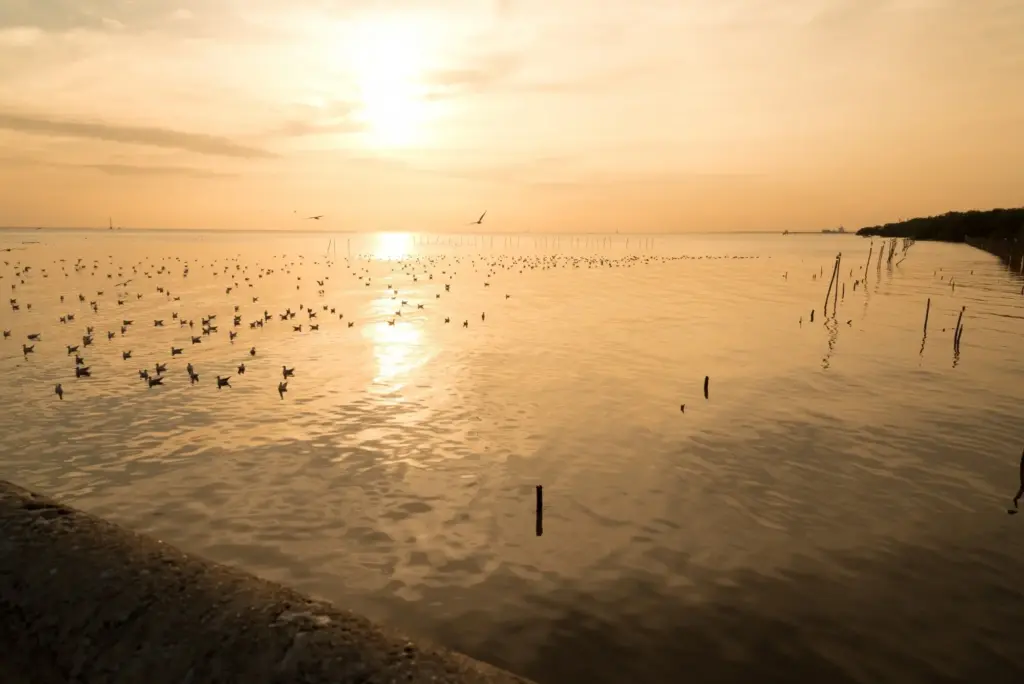
Before the First Notes
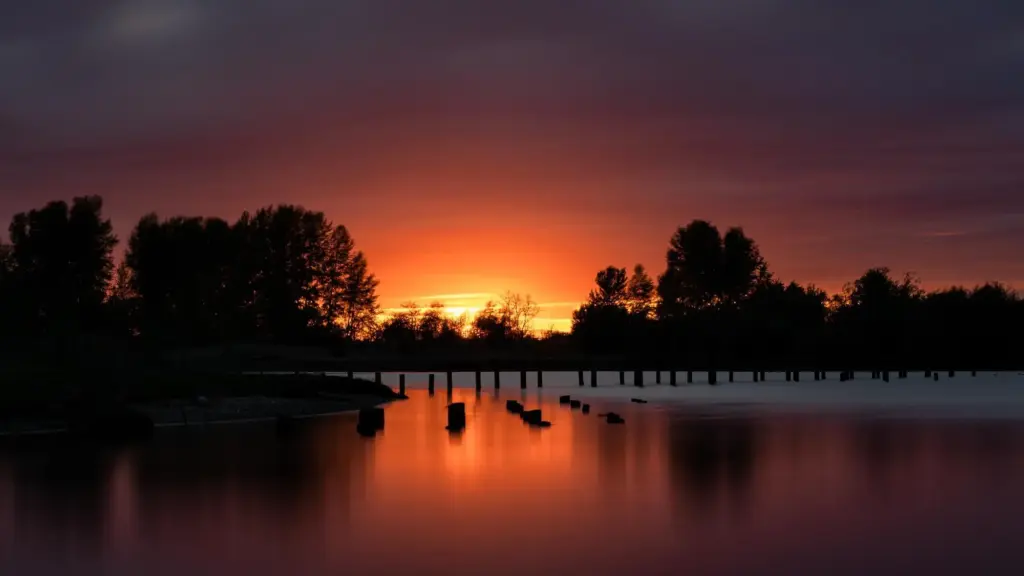
Hearing the Landscape
Voices of Fields, Lanes, and Farmsteads
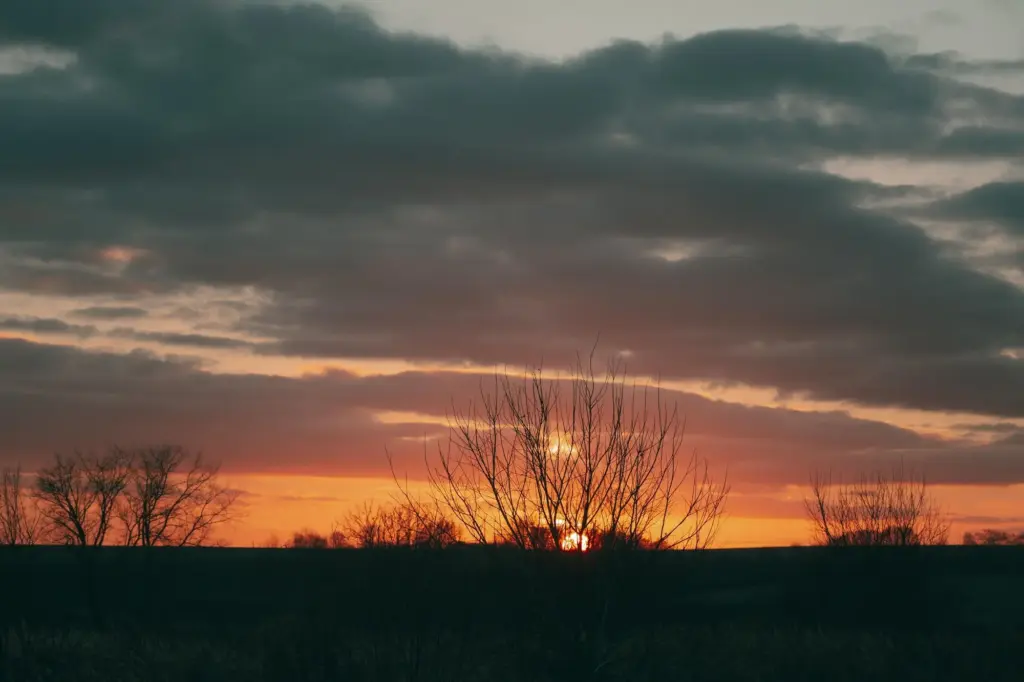
Hedgerow Soloists and Garden Neighbors
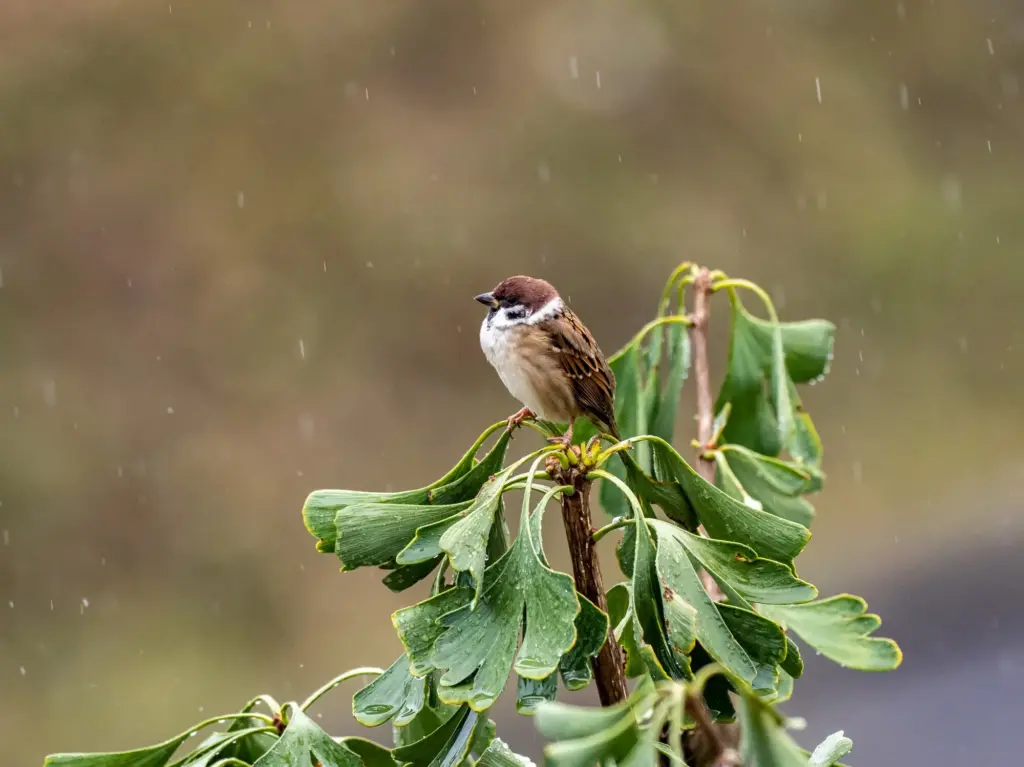
Open Field Performers and Sky Dancers
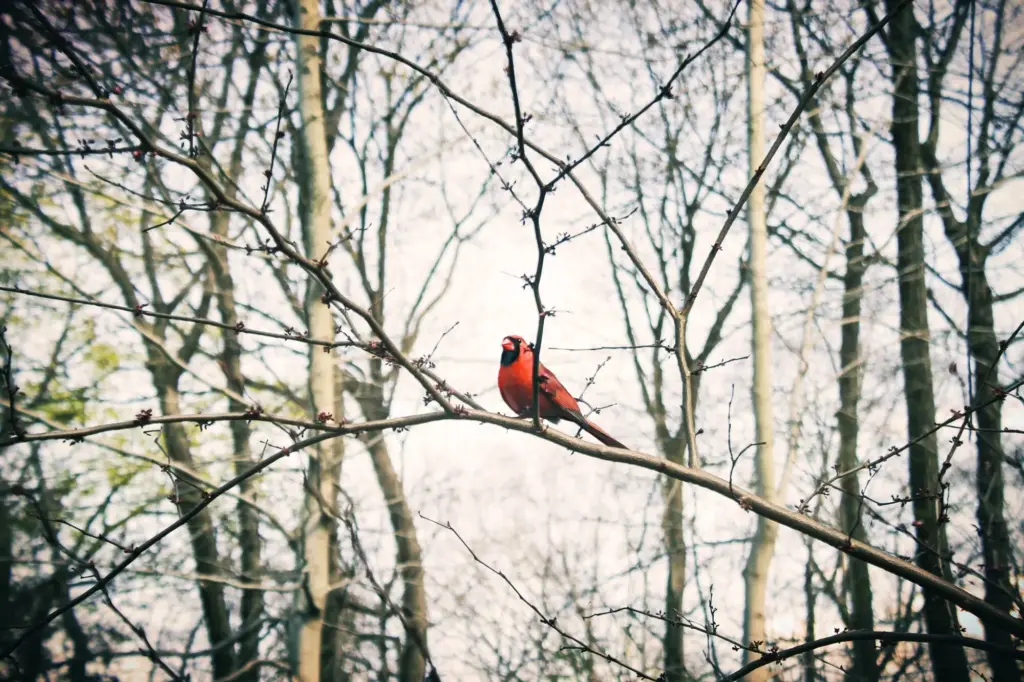
Using Edges, Shade, and Wind
Walk the lee side of hedges so your scent and sounds drift away from perches. Keep the low sun behind one shoulder to reveal movement, not glare. Step into shade when you pause, letting eyes adjust while birds relax, then resume with soft feet and slower breathing.
Reading Tracks, Droppings, and Perches
Note fresh whitewash beneath favored wires, seed husks under thistles, and tiny prints threading muddy ruts. Such clues steer your pauses and focus. When sound stops, study sign; when sign ends, angle toward cover edges. This dialogue with place turns chance encounters into expected meetings and memorable notes.
Keeping Notes That Matter Later
Write what you heard before what you saw: tempo words, pitch sketches, and habitat context. Add weather, wind, and exact time. Back home, compare with guides, then revise your impressions. Over weeks, patterns emerge, turning scattered mornings into a grounded understanding of your local chorus and calendar.
Stories, Invitations, and Next Steps
A Skylark Rising Over Frosted Barley
One winter morning, we paused beside a rutted lane and heard a thread of silver unwind into the blue. The bird never showed clearly, yet the unbroken spill, high and tireless, told the story. Writing those falling commas anchored confidence that lasted through many muddier, noisier days.
The Barn Owl You Almost Missed
Only the meadowlark had been singing when a pale shape drifted from the oak, soundless as breath. Field mice scattered, and every hedge whisper stopped. Your note read simply, white lantern over ditch. Those four words still summon the shiver, reminding you to look up between songs.
All Rights Reserved.